
Retaining wall service guide
Retaining Wall Drainage & Subsoil Systems
Retaining-wall drainage is a system, not one pipe. It must collect water, keep fine soil out of the drainage zone, maintain a path to an outlet and avoid creating a problem elsewhere.
When retaining wall drainage & subsoil systems may fit
- ✓New walls where drainage must be scoped from the beginning
- ✓Existing walls with water staining, washout or persistent ponding
- ✓Quote reviews where the drainage inclusion is unclear
What a retaining wall drainage & subsoil systems scope should address
Scope watch
Drainage details are site-specific. A generic sketch or a pipe with no confirmed outlet is not a complete water-management scope.
Planning retaining wall drainage & subsoil systems from scope to handover
Define the project
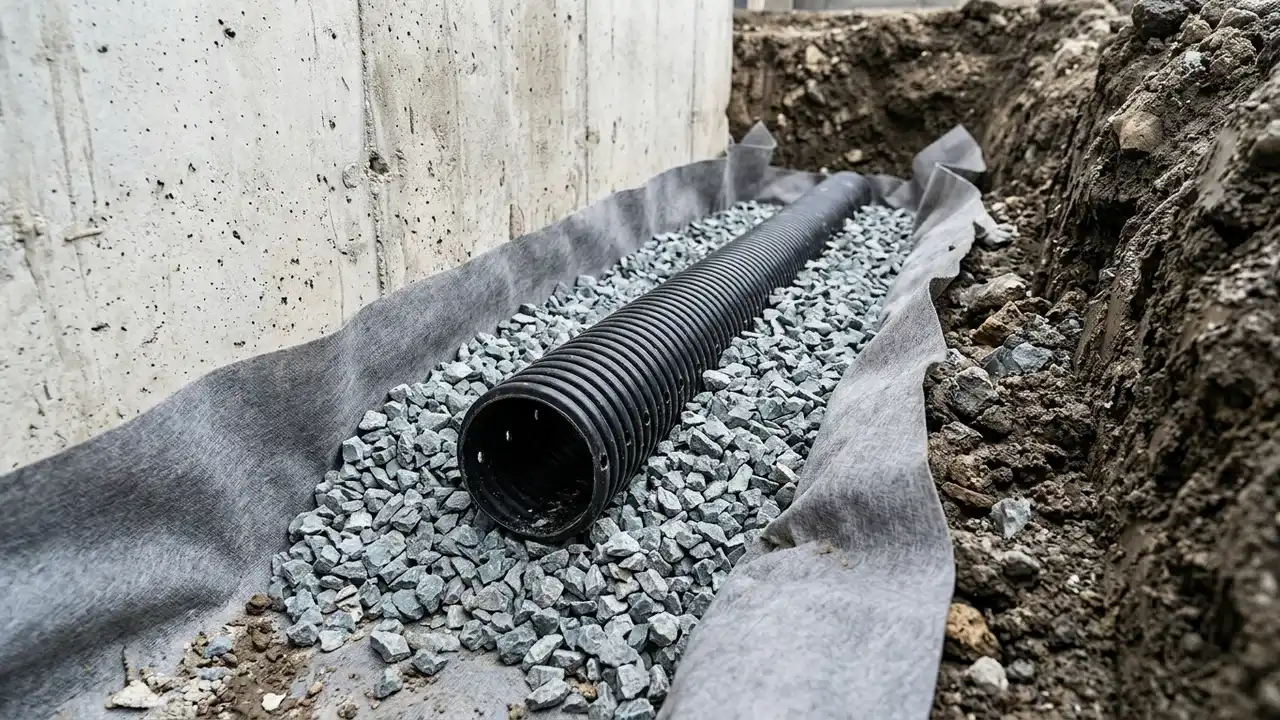
Begin by separating surface water from water within the retained soil. Roof runoff, paving, uphill landscaping and overland flow may need interception before they reach the wall. The subsoil system then needs enough free-draining material and filtration to collect seepage without allowing fine soil to clog the drainage path.
Test the site assumptions
A collection pipe must have a suitable grade, accessible arrangement and confirmed destination. Ask the provider to show where the line begins, how it passes corners or steps, where inspection or flushing can occur and exactly where it discharges. An outlet that cannot lawfully or practically release water is not a resolved detail.
Compare the written scope
Existing-wall symptoms should be documented before excavation. Staining, efflorescence, washout, ponding and soil loss can help a competent person understand when and where water appears, but they do not prove a single cause. Changes to gardens, paving, downpipes or neighbouring levels may also be relevant to the assessment.
Confirm the handover
Drainage work can affect more than the wall. Confirm how trenches, services, roots, footings and waterproofed surfaces will be protected, and how disturbed ground will be compacted and reinstated. The written scope should distinguish investigation, repair and complete replacement so expectations remain aligned if concealed conditions are found.
Final comparison check for retaining wall drainage & subsoil systems
Before accepting a proposal, ask each provider to respond to the same project brief and state the assumptions behind the price. For retaining wall drainage & subsoil systems, focus first on surface-water interception and grading and how the provider will handle subsoil collection pipe and fall. Raise this practical question during the site visit: Where does collected water go? Record who owns unresolved investigation, design, authority contact and inspection. Then compare the completed outcome rather than isolated material rates. If one proposal excludes a task that another includes, place that difference beside the total so it is not mistaken for a saving.
Retaining Wall Drainage & Subsoil Systems across Australia
See where retaining wall drainage & subsoil systems enquiries are accepted, then open the local guide for authority links and site questions. Availability varies by location and project requirements.
Frequently Asked Questions
Where should water from behind a retaining wall go?
Is water coming through a sleeper retaining wall normal?
Does every retaining wall need drainage?
What are signs a retaining wall needs assessment?
How many retaining-wall quotes should I compare?
Prepare your project
Need to scope retaining wall drainage & subsoil systems?
Describe what you know about the retaining wall drainage & subsoil systems site, dimensions and constraints. Retaining Wall Pros will review the details and identify the most useful next step; provider availability is not guaranteed.